Evaluating Brush Strokes, Rainbow Colors Digital Paper for Creative Projects
In the evolving landscape of digital design and crafting, the selection of background assets plays a pivotal role in defining the aesthetic quality of a final product. Among the diverse array of options available, Brush Strokes, Rainbow Colors Digital Paper has emerged as a versatile resource for creators ranging from professional graphic designers to hobbyist scrapbookers. This asset typically features an artistic simulation of hand-painted textures combined with a vibrant, multi-hued spectrum, offered as a seamless pattern. Understanding the specific characteristics, applications, and limitations of this digital paper is essential for determining whether it aligns with your current project requirements.
Defining the Asset: Texture and Composition
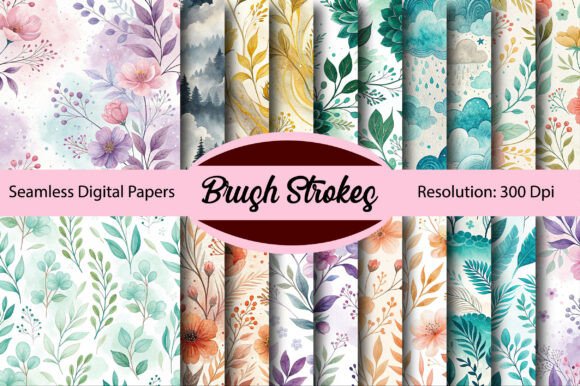
At its core, this digital paper represents a fusion of traditional artistic techniques and modern digital utility. The "brush strokes" element refers to the visible texture within the image file, which mimics the irregularities and depth of paint applied to a physical surface. Unlike flat, solid-color backgrounds, these textures add a layer of organic realism that can prevent designs from appearing sterile or overly manufactured. The "rainbow colors" component indicates a broad spectral range, often blending smoothly or contrasting sharply to create visual interest.
Technically, these files are frequently distributed as seamless patterns in JPEG format with a resolution of 300 DPI (dots per inch). The seamless nature means the image can be tiled horizontally and vertically without visible breaks or edges, allowing it to cover surfaces of any size. The 300 DPI specification is critical, as it denotes print-ready quality, ensuring that the image remains sharp when reproduced on physical media. While some variations may offer transparent backgrounds, the standard JPEG format provides a solid base suitable for a wide range of compositing tasks.
Primary Applications and Use Cases
The versatility of Brush Strokes, Rainbow Colors Digital Paper allows it to function effectively across numerous mediums. Its high resolution and seamless structure make it particularly well-suited for the following applications:
- Print Media and Packaging: The 300 DPI resolution ensures crisp output for business cards, product packaging, and brochures. The colorful texture can serve as an eye-catching backdrop that distinguishes a brand from competitors using standard white or solid-color stocks.
- Digital Scrapbooking and Papercraft: For digital archivists and crafters, this asset provides a dynamic background for photo layouts. The brush stroke texture adds depth to digital pages, simulating the look of traditional mixed-media albums without the physical bulk.
- Web and Blog Design: When used as a website background, the seamless tiling capability allows for lightweight loading times while maintaining visual richness. It is particularly effective for creative portfolios, lifestyle blogs, or party planning websites where a festive atmosphere is desired.
- Fashion and Textile Prototyping: Designers often use high-resolution digital papers to visualize fabric prints before committing to physical production. The rainbow palette offers a bold statement piece for apparel concepts or accessory designs.
- Party Packs and Event Stationery: From invitations to cupcake wrappers, the celebratory nature of rainbow colors fits perfectly with birthday parties, pride events, and festivals.
Benefits and Strategic Advantages
One of the primary advantages of utilizing pre-made seamless patterns like this is efficiency. Creating a high-quality, hand-painted texture from scratch requires significant time, artistic skill, and software proficiency. By leveraging existing Brush Strokes, Rainbow Colors Digital Paper, creators can bypass the initial creation phase and focus immediately on layout and composition. Furthermore, the consistency of a seamless pattern ensures uniformity across large formats, such as wallpaper rolls or extensive web backgrounds, which can be difficult to achieve with manual painting techniques.
The organic texture also serves a psychological function in design. In an era dominated by sleek, vector-based graphics, the imperfection of brush strokes introduces a human element that can make a brand or project feel more approachable and authentic. The rainbow color scheme further enhances engagement, as color diversity is known to capture attention and evoke feelings of joy and creativity.
Considerations and Potential Tradeoffs
While the benefits are substantial, there are specific scenarios where this type of digital paper may not be the optimal choice. The most significant consideration is visual hierarchy. Because the brush strokes and rainbow colors create a busy, high-contrast background, they can compete with foreground elements such as text or intricate product photography. If the primary goal of the design is to convey detailed information or minimalist elegance, this background might prove too distracting.
Additionally, the JPEG format, while universally compatible, is a lossy compression format. While 300 DPI JPEGs are generally sufficient for most print jobs, purists requiring absolute fidelity for large-scale fine art reproduction might prefer lossless formats like TIFF or PNG, especially if multiple editing generations are anticipated. Users should also evaluate the specific color profile of the file; screens display colors in RGB, while printers use CMYK. A vibrant rainbow on a monitor may appear duller in print if the color gamut is not managed correctly during the pre-press stage.
Decision-Making Framework for Selection
To determine if Brush Strokes, Rainbow Colors Digital Paper is the right fit for your project, consider the following evaluative criteria:
- What is the focal point? If the background needs to recede to highlight complex data or subtle imagery, a simpler, solid, or low-contrast texture may be superior. If the background itself is intended to be a feature, this asset is a strong candidate.
- What is the output medium? For digital-only projects, screen resolution (72 DPI) is often sufficient, but having the 300 DPI source file provides flexibility for future print needs. Ensure your workflow supports high-resolution JPEGs without bloating file sizes unnecessarily for web use.
- Does the aesthetic match the brand? The playful and artistic nature of brush strokes and rainbows aligns well with creative industries, children's products, and event planning. However, for corporate, legal, or medical contexts, this style may undermine the perception of professionalism and seriousness.
- Are there licensing constraints? Always verify the usage rights associated with the digital paper. Some licenses restrict use in certain commercial applications, such as on-demand printing for resale, while others offer broad commercial freedom.
Alternatives and Comparative Analysis
If the intensity of a full rainbow palette or the roughness of brush strokes does not meet your needs, several alternatives exist. For a similar organic feel with less visual noise, watercolor wash backgrounds in monochromatic or pastel tones offer a softer approach. For projects requiring strict geometric precision, vector-based patterns provide scalability without pixelation, though they lack the textural depth of raster-based brush strokes. Additionally, grunge textures offer a weathered look that may suit vintage or industrial themes better than the vibrant energy of a rainbow spectrum.
Ultimately, the decision rests on the specific emotional tone and functional requirements of the project. Brush Strokes, Rainbow Colors Digital Paper offers a powerful combination of artistic texture and vibrant color that can elevate a wide variety of creative endeavors. By carefully weighing the need for visual impact against the necessity for readability and brand alignment, creators can effectively integrate this asset into their workflows to produce compelling, high-quality results.