Unlocking the Potential of Lavender Floral Seamless Patterns in Modern Design
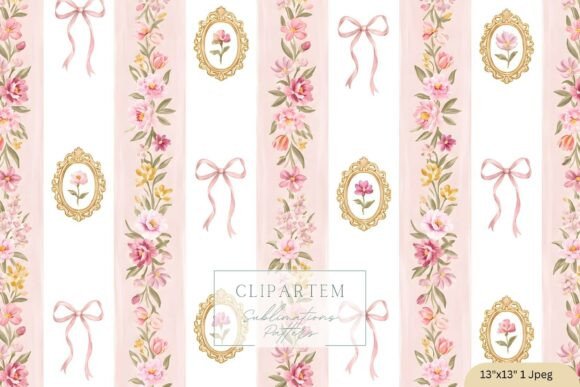
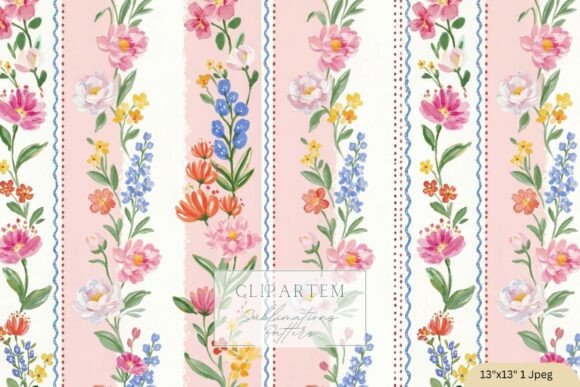
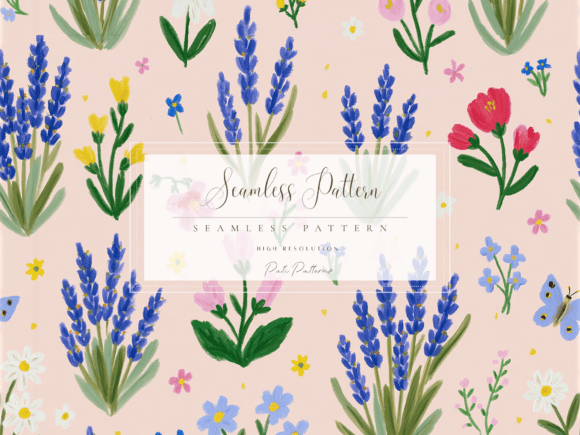
In the vibrant world of digital art and surface pattern design, few elements evoke a sense of whimsy and tranquility quite like a lavender floral seamless pattern. Whether you are a seasoned graphic designer, a small business owner creating handmade goods, or a hobbyist looking to personalize your home, understanding how to utilize these assets can transform your projects. This guide explores the significance of seamless patterns, specifically focusing on delightful designs featuring pink, blue, yellow, and red blossoms dancing across a soft background, and how they fit into the broader landscape of creativity and commerce.
What Exactly is a Seamless Pattern?
Before diving into the specific aesthetics of lavender florals, it is essential to understand the technical foundation: the seamless pattern. Unlike a standard image with defined edges, a seamless pattern is designed so that when it is tiled—repeated horizontally and vertically—the edges match up perfectly. There are no visible lines or breaks where one image ends and the next begins. This creates an infinite canvas effect.
For beginners, this concept might seem abstract, but its application is everywhere. Think of the fabric on your sofa, the wrapping paper on a birthday gift, or the background wallpaper on a smartphone. These are all examples of seamless patterns in action. When you download a file described as a "Lavender Floral Seamless Pattern PNG," you are acquiring a tileable unit that can be expanded to cover any surface area, from a tiny sticker to a massive wall mural, without losing visual continuity.
The Aesthetic Appeal of Spring and Summer Florals
The specific design motif of lavender mixed with pink, blue, yellow, and red blossoms serves a distinct psychological and aesthetic purpose. In color theory, these hues are often associated with spring, renewal, and joy. The inclusion of lavender provides a calming, sophisticated base, while the pops of brighter colors like yellow and red inject energy and playfulness.
This combination makes the pattern incredibly versatile. It strikes a balance between being elegant yet playful, allowing it to transcend age groups and settings. For instance, in a nursery setting, the soft pastels create a soothing environment for an infant, while the cheerful blossoms provide enough visual stimulation for a toddler's developing eyes. Conversely, in a professional context like stationery or wedding invitations, the same pattern conveys a sense of organic beauty and thoughtful detail.
Practical Applications in Daily Life and Business
One of the most common misunderstandings about digital patterns is that they are only useful for web backgrounds. In reality, the utility of a high-resolution floral pattern extends far beyond the screen. Here is how these designs integrate into various sectors of modern life:
- Nursery and Home Décor: Parents and interior designers use these patterns to create custom wall decals, bedding, and curtains. The seamless nature ensures that large walls look cohesive rather than patched together.
- Seasonal Crafts and Holidays: From Easter baskets to summer party decorations, floral motifs are timeless. They are particularly effective for spring and summer projects but can be adapted for year-round cheerfulness.
- Small Business Products: Entrepreneurs selling on platforms like Etsy or at local craft fairs frequently use licensed patterns for physical goods. This includes tote bags, aprons, phone cases, and greeting cards.
- Digital Scrapbooking and Planning: The rise of digital planning has created a huge demand for elements that can be dragged and dropped into apps like GoodNotes or Notability. Floral patterns serve as beautiful backgrounds for journal pages.
Technical Specifications Matter: DPI and File Formats
When selecting a pattern for your project, not all files are created equal. A crucial factor to consider is the resolution, measured in DPI (Dots Per Inch). For screen-only use, 72 DPI is often sufficient. However, for any project intended for print—such as fabric prints, gift wrap, or high-quality invitations—you need a much higher resolution to ensure the image remains crisp and does not appear pixelated.
The featured lavender floral pattern boasts a resolution of 216 DPI. This is a significant detail for users. It means the file contains enough data to be printed at a respectable size while maintaining clarity. Furthermore, the file format is PNG (Portable Network Graphics). While this specific file includes a non-transparent background (meaning it comes ready with its own soft backdrop), PNGs generally support high-quality compression without losing detail, making them ideal for both digital and print workflows.
Integrating Patterns into Your Workflow
A major barrier for many creatives is the perceived difficulty of using complex design files. However, modern tools have democratized this process. The beauty of a well-constructed seamless pattern lies in its ease of use across various software platforms.
- Canva: For those who prefer browser-based design, Canva allows for easy drag-and-drop functionality. You can upload the PNG, stretch it to fill your page, and instantly have a professional background for your social media posts or invitations.
- Procreate: iPad artists can import the pattern as a reference layer or use it to fill shapes within their illustrations, adding texture and depth to hand-drawn artwork.
- Adobe Photoshop: Professional designers can define the image as a pattern preset, allowing them to paint with the floral design or apply it non-destructively via pattern fill layers.
- Cricut and Silhouette: Crafters using cutting machines can utilize these designs for heat transfer vinyl (HTV) projects, printing the pattern onto fabric sheets to create custom apparel or home textiles.
Navigating Licensing and Commercial Use
Perhaps the most critical aspect of using digital assets today is understanding licensing. In the past, copyright confusion stifled many creative endeavors. Today, clear licensing terms empower creators. The lavender floral collection mentioned includes a Commercial License.
What does this mean for you? It grants the freedom to use the pattern in unlimited commercial end products. Whether you are selling digital planner stickers or physical fabric by the yard, you are covered. However, it is vital to understand the boundary: you may sell products made with the pattern, but you cannot resell the original digital file itself. This distinction protects the original artist while enabling a thriving ecosystem of makers and sellers.
Why This Collection Stands Out
In a sea of generic floral designs, the Lavender Floral Seamless Pattern (Collection ID: LAVFLORAL026) distinguishes itself through its thoughtful composition. The interplay of the soft background with the multi-colored blossoms avoids the cluttered look that plagues many busy patterns. It offers "breathing room" for the eye, which is essential for designs that will be viewed up close, such as on stationery or nursery art.
Moreover, the instant digital download format aligns with the fast-paced nature of modern work. There is no waiting for shipping; the moment inspiration strikes, the asset is available. This immediacy supports agile workflows for educators preparing classroom materials, marketers launching seasonal campaigns, or parents organizing a last-minute birthday party.
Conclusion: Bringing Designs to Life
Ultimately, a seamless pattern is more than just a repeating image; it is a foundational tool for storytelling through design. The lavender floral motif invites viewers into a space of calm and happiness, making it an invaluable resource for anyone looking to add a touch of charm to their creations. By understanding the technical requirements, respecting licensing agreements, and leveraging modern software tools, you can seamlessly integrate these blossoms into your personal and professional projects. Whether adorning a child's room or elevating a brand's packaging, these patterns prove that small details can make a monumental difference in how we experience the visual world.