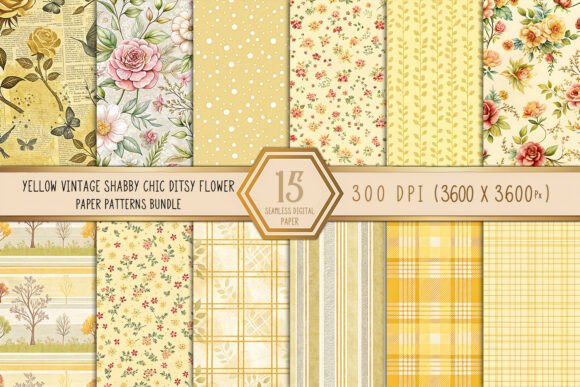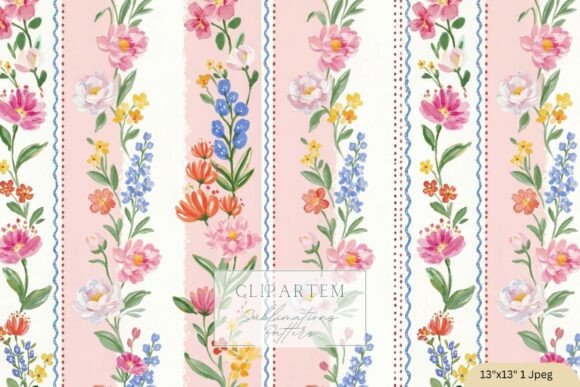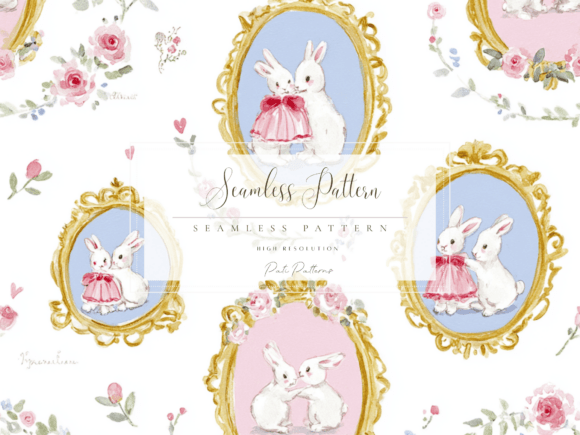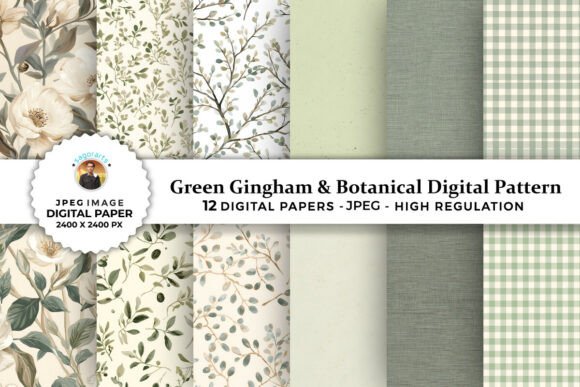
William Morris Inspired Vintage Botanical Art
The enduring appeal of the Arts and Crafts movement lies in its commitment to beauty, utility, and a deep reverence for the natural world. For modern creators, accessing this aesthetic has never been easier thanks to collections like William Morris Inspired Vintage Botanical. This isn't just about copying old patterns; it is about tapping into a design language that prioritizes intricate detail, organic flow, and timeless elegance. Whether you are a graphic designer looking for texture, a small business owner creating packaging, or a hobbyist planning a home renovation, these assets offer a robust foundation for high-quality work.
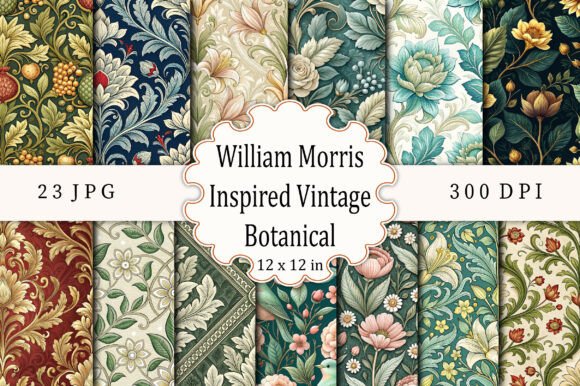
At its core, this collection provides 23 unique JPG files, each rendered at 12×12 inches with a high-resolution 300 DPI. These technical specifications are crucial. In the digital age, where low-resolution images often plague stock libraries, having print-ready files ensures your projects maintain professionalism across various mediums. The "Vintage Botanical" aspect refers to the stylized flora—acanthus leaves, willow boughs, and dense floral arrangements—that defined Morris's original wallpapers and textiles. By using inspired versions, you gain the classic look without the copyright restrictions or the faded quality of actual antique scans.
Why This Aesthetic Resonates Today
We live in an era of minimalism and flat design. While those styles have their place, there is a growing hunger for depth, history, and ornamentation. Consumers are increasingly drawn to brands and content that feel handcrafted and authentic. William Morris Inspired Vintage Botanical elements satisfy this desire by introducing complexity and narrative into visual communication. The dense, interlocking patterns suggest a slower pace of life and a connection to nature that resonates deeply with current cultural trends toward sustainability and mindfulness.
For marketers and bloggers, using these visuals can instantly elevate the perceived value of a product or post. A simple blog header featuring a subtle botanical border feels more curated than a generic stock photo. For educators and publishers, these illustrations can bring historical texts or nature guides to life, providing a visual context that is both educational and aesthetically pleasing. The key is to use them not as clutter, but as a framework that supports your message.
Practical Applications for Creators and Entrepreneurs
The versatility of high-resolution botanical files means they can be adapted for a wide array of projects. Here is how different professionals can leverage this collection effectively:
- Packaging Design: Small business owners selling artisanal soaps, teas, or candles can use these patterns for box wraps or labels. The 300 DPI resolution ensures crisp lines even on smaller prints, conveying a sense of luxury and care.
- Digital Content Creation: Bloggers and social media managers can crop specific elements from the 12×12 inch files to create unique backgrounds for Instagram stories, Pinterest pins, or YouTube thumbnails. The vintage vibe helps content stand out in a crowded feed.
- Interior Decor Projects: Hobbyists and interior designers can use these files to create custom wall art, pillow covers, or stencils. Because the files are large and detailed, they can be scaled up for large-format printing without losing quality.
- Stationery and Invitations: Freelance designers can incorporate these motifs into wedding invitations, journals, or greeting cards. The organic shapes pair beautifully with elegant typography, creating a cohesive and sophisticated look.
Adapting Styles for Different Audiences
One of the greatest strengths of working with William Morris Inspired Vintage Botanical assets is the ability to manipulate them to suit different brand voices. You do not have to use them in their original, saturated colors. Consider desaturating the images to create soft, muted backdrops for a modern, Scandinavian-inspired brand. Alternatively, increase the contrast and overlay them with bold, contemporary fonts to create a striking juxtaposition between old and new.
For a younger audience, try isolating single botanical elements—like a specific leaf or flower stem—and using them as repeating icons or bullet points in a digital presentation. This breaks the pattern down into manageable, trendy graphics while retaining the vintage soul. For a more traditional audience, such as readers of historical fiction or patrons of classical arts, using the full, dense patterns as borders or chapter headers reinforces a sense of heritage and authority.
Maintaining Clarity and Consistency
When working with intricate patterns, it is easy to overwhelm the viewer. To keep your results clear and effective, practice the principle of restraint. Use the botanical elements to frame your content rather than compete with it. If you are designing a flyer, let the pattern occupy the margins or the background with reduced opacity, ensuring the text remains legible.
Consistency is also vital for brand recognition. If you choose a specific color palette derived from one of the 23 JPG files, stick to that palette across all your materials. This creates a unified visual identity. Since the collection offers multiple unique files, you can rotate different patterns while maintaining the same color scheme to keep your content fresh without losing coherence.
Technical Tips for Best Results
To get the most out of these files, understanding their format is essential. JPG is a widely compatible format, making it easy to import into software like Adobe Photoshop, Illustrator (via tracing), Canva, or Procreate. However, because they are raster images, avoid stretching them beyond their intended 12×12 inch dimensions at 300 DPI if you require absolute sharpness for massive billboards. For most standard print and digital uses, however, they are more than sufficient.
If you need to change colors, use image editing tools to adjust hue and saturation. Many programs allow you to recolor specific ranges, letting you transform a green vine into a gold accent or a deep navy outline. This customization allows you to tailor the William Morris Inspired Vintage Botanical look to match exact brand guidelines.
Fueling Your Creative Process
Ultimately, these files are tools for storytelling. They invite you to slow down and consider the details. When you integrate these vintage botanicals into your work, you are participating in a long tradition of celebrating nature through art. Whether you are designing a logo, decorating a room, or crafting a digital campaign, let these patterns inspire you to find beauty in the organic and the intricate.
Explore the 23 unique variations available in the collection. Mix and match elements. Experiment with layering. The goal is not just to decorate, but to create something that feels intentional and alive. By grounding your projects in such rich visual history, you provide your audience with an experience that is both comforting and captivating.
Ready to start creating? Dive into the files and see how these timeless designs can transform your next project. Follow along to discover more awesome artwork and continue expanding your creative toolkit with resources that blend history with modern utility.