Evaluating the Seamless Watercolor Landscape Pattern for Creative Projects
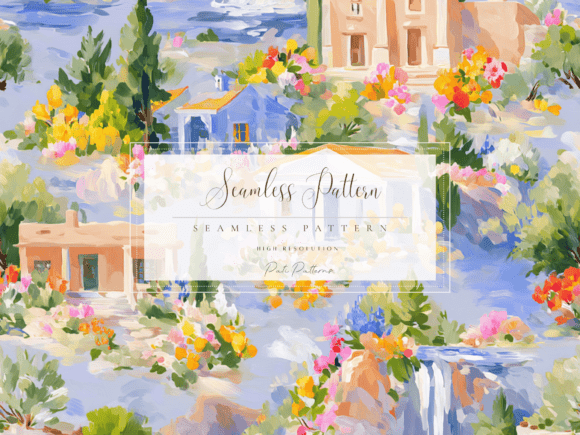
In the realm of digital design and crafting, selecting the right visual assets is a critical step that influences the final quality of a project. For designers, hobbyists, and small business owners, the Seamless Watercolor Landscape Pattern represents a specific category of digital resource designed to streamline the creation of nature-themed visuals. This asset typically features a cohesive illustration of a village and waterfall setting, surrounded by blooming flowers and vibrant natural elements. Understanding the characteristics, applications, and limitations of this pattern is essential for determining whether it aligns with your specific creative goals.
Defining the Asset and Its Characteristics
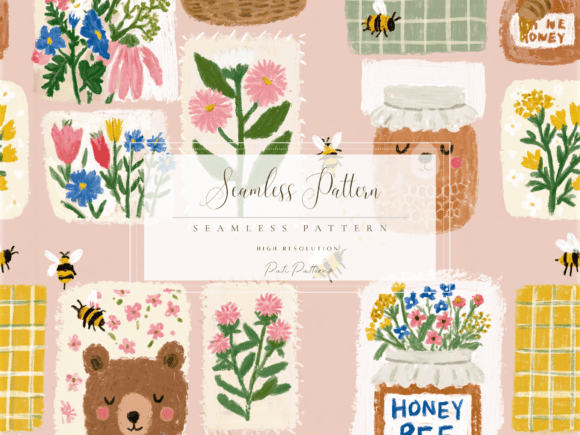
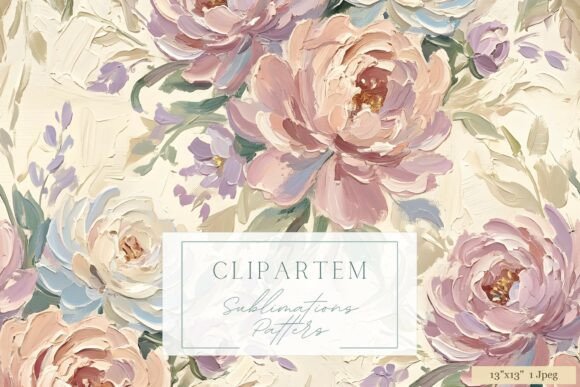
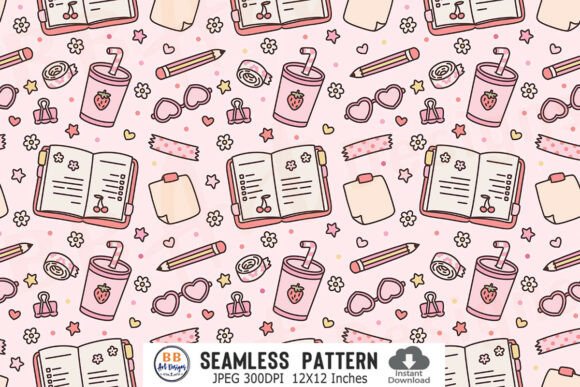
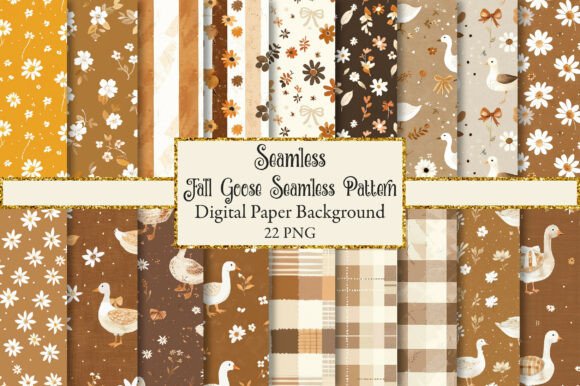
A seamless watercolor landscape pattern is a digital image file engineered to tile infinitely without visible seams or breaks when repeated. The specific design referenced here combines traditional watercolor aesthetics—characterized by soft edges, fluid color transitions, and an organic feel—with a structured composition of a dreamy village and waterfall. Unlike vector graphics which rely on mathematical paths, this asset is a raster image, specifically provided as a high-resolution PNG file at 216 DPI (dots per inch).
The inclusion of a soft background within the non-transparent PNG file is a notable technical detail. While transparent backgrounds are often preferred for layering, a pre-composed background can provide immediate context and atmosphere, reducing the need for additional background design work. The "seamless" nature of the file means it is optimized for use as a repeating texture, making it distinct from a single standalone illustration.
Primary Applications and Use Cases
The versatility of this pattern makes it suitable for a wide array of projects, particularly those requiring a gentle, inviting, or seasonal aesthetic. Users often select this type of asset for the following applications:
- Kids' Room Decor: The whimsical combination of villages, waterfalls, and flowers creates a calming environment suitable for nurseries or children's bedrooms. It can be used for wallpaper, bedding fabrics, or framed wall art.
- Event Stationery: The design is well-suited for summer party invitations, baby showers, or holiday crafting where a nature-inspired theme is desired. The soft color palette ensures that text overlaid on the pattern remains legible.
- Scrapbooking and Planning: Digital planners and physical scrapbooks benefit from seamless patterns as background papers. They add texture and depth to pages without overwhelming handwritten notes or photographs.
- Fabric and Product Design: With a resolution of 216 DPI, the file is generally adequate for fabric printing via services like Spoonflower or for creating gift wrapping paper. The seamless tiling allows the design to cover large surface areas consistently.
Benefits of Using Pre-Made Seamless Patterns
One of the primary advantages of utilizing a pre-made Seamless Watercolor Landscape Pattern is efficiency. Creating a high-quality watercolor texture from scratch requires significant artistic skill, time, and digital proficiency. By leveraging an existing asset, creators can bypass the initial illustration phase and focus immediately on layout and composition.
Furthermore, the compatibility of this file with popular design software enhances its utility. Whether using drag-and-drop interfaces in Canva, layer-based editing in Photoshop, or brush-based tools in Procreate, the PNG format ensures broad accessibility. For users operating cutting machines like Cricut, the high-resolution file provides sufficient detail for printed materials, although it is not a cut-file itself.
The inclusion of a commercial license is another significant factor for evaluation. This permission allows users to incorporate the pattern into unlimited end products, both digital and physical, for sale. This removes the legal ambiguity often associated with stock imagery, provided the user adheres to the restriction against reselling the original file in its unaltered state.
Technical Considerations and Tradeoffs
While the benefits are substantial, there are technical tradeoffs to consider before integrating this pattern into a workflow. The most critical consideration is the resolution. At 216 DPI, the image is suitable for standard printing sizes and web usage. However, for very large format prints, such as full-scale murals or oversized banners, the pixel density might result in a loss of sharpness if the image is scaled up significantly beyond its original dimensions. Users intending to print on large surfaces should calculate the maximum print size based on the pixel dimensions of the downloaded file.
Additionally, the file is provided as a non-transparent PNG with a background. While this offers a ready-to-use look, it limits flexibility for designers who wish to place the landscape elements over a custom-colored background or integrate them into a complex composite where the original background color might clash. In such scenarios, users would need to employ masking techniques in photo editing software to isolate the elements, which requires additional time and skill.
When to Choose This Pattern vs. Alternatives
Deciding whether this specific pattern is the right fit depends largely on the project's aesthetic requirements and technical constraints. This asset is a strong fit when:
- The project demands a soft, hand-painted aesthetic that conveys warmth and nature.
- The timeline is tight, and creating original artwork is not feasible.
- The end product involves repeating textures, such as fabric, wrapping paper, or digital backgrounds.
- The budget allows for a one-time purchase of a licensed asset rather than hiring an illustrator.
Conversely, alternatives may be worth considering if:
- Vector Scalability is Required: If the design needs to be scaled to infinite sizes without any loss of quality (e.g., for large vehicle wraps or massive signage), a vector file (SVG or EPS) would be superior to a raster PNG.
- Transparent Elements are Essential: If the design strategy involves layering the watercolor elements over various dynamic backgrounds, a set of individual clipart elements with transparent backgrounds might offer more control than a seamless pattern sheet.
- Specific Color Matching is Critical: Watercolor designs often have inherent color variations. If a project requires strict adherence to specific brand colors (Pantone matches), a flat illustration or vector graphic might be easier to recolor accurately than a textured watercolor scan.
Making an Informed Decision
Ultimately, the value of the Seamless Watercolor Landscape Pattern lies in its ability to bridge the gap between professional aesthetics and accessible creation. For individuals researching digital assets for kids' decor, seasonal crafting, or small-batch product lines, this collection (ID SLWPF-0326) offers a balanced solution. It provides the artistic charm of watercolor painting with the functional reliability of a seamless digital tile.
Before finalizing a selection, users should verify the pixel dimensions of the high-resolution file against their intended print size to ensure clarity. Additionally, reviewing the commercial license terms ensures that the intended use case—whether for personal DIY projects or commercial product sales—is fully covered. By weighing the ease of use and aesthetic appeal against the technical limitations of raster graphics, creators can determine if this pattern is the optimal foundation for bringing their design concepts to life.